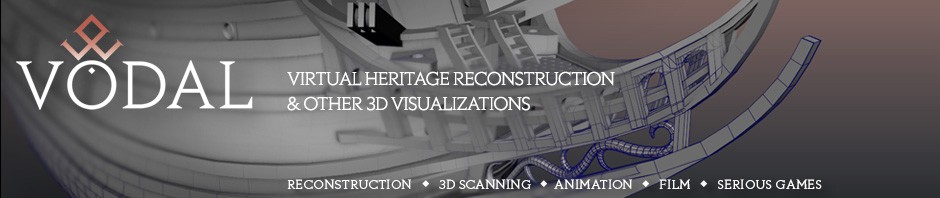
My latest finished project is the virtual reconstruction of a seventeenth century East Indiaman merchant vessel used by the East India Company. The project is implemented in the Unreal Engine. This means that real-time rendering applications are a possibility. For instance, a virtual reality tour through the ship can easily be created to be used in museums or on online portals.
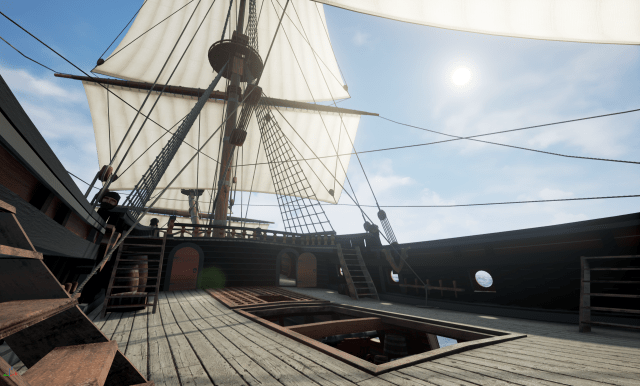
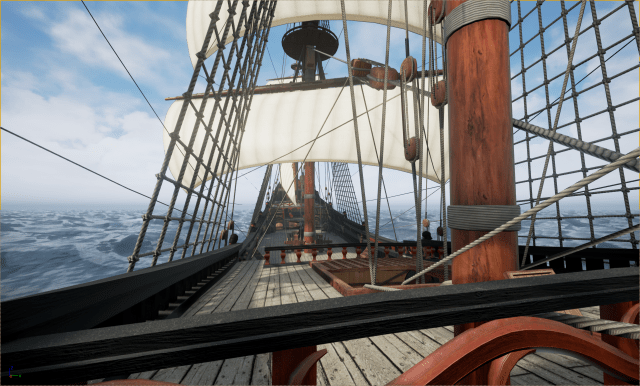
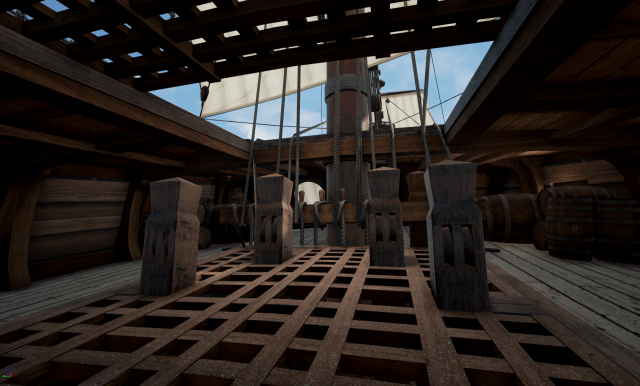
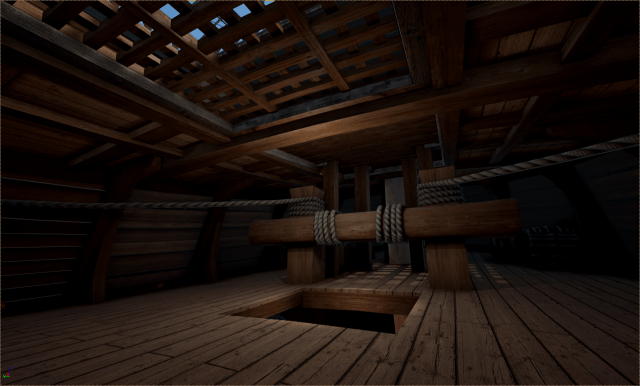
Atmospheric fog, particle systems and material function dust were used to add realism to the environment. These effects are shown below and are exaggerated for small viewing screens.


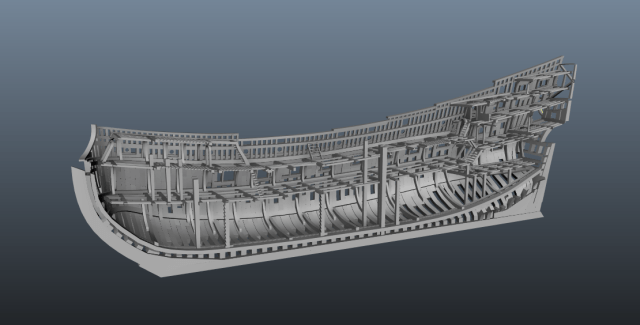
The ship is modeled based on a series of reconstruction drawings compiled by historians. While not being rendered in the game engine, the underlying skeleton of the ship is an existing feature which could be used to create realistic exploded views and other similar renderings.
Sicily And The Sea
This series of reconstruction animations was created for the COBBRA International Museum project. The goal of this initiative is to create durable and economical traveling exhibits that are compatible with the needs of the participating European Museums.
The Sicily and the Sea exhibit is COBBRA’s first collaboration project. This exhibit focuses on underwater archaeology around Sicily. The goal of the animations I created was to put the exhibit’s feature objects back in to their original state and possible setting, and also showing the usage of these objects.
During this project I received help from Paola Di Cuia, she created the Punic warship and modelled the Byzantine church shown below.
The Aphrodite reconstruction below was created by fusing several scans of different existing Aphrodite statues, this assured the correct style of sculpting, but with the pose and the extra objects that research of the torso suggested.
The anchor in the next animation was a challenge to scan, because it had to stay put in a sandbox in a Sicilian museum.
The four objects were scanned in Sicily at various museums and depots. The method of scanning used was Photogrammetry, meaning that we captured the objects by using a photo camera and later processed the series of photos into 3D models.


The resulting models can be viewed here: https://sketchfab.com/vodal/models
Villa Mook-Plasmolen
Virtual reconstruction of one of the largest Roman villas ever built in the Netherlands. This reconstruction was created by me for the Keys2Rome Exhibition in the Allard Pierson Museum in Amsterdam.
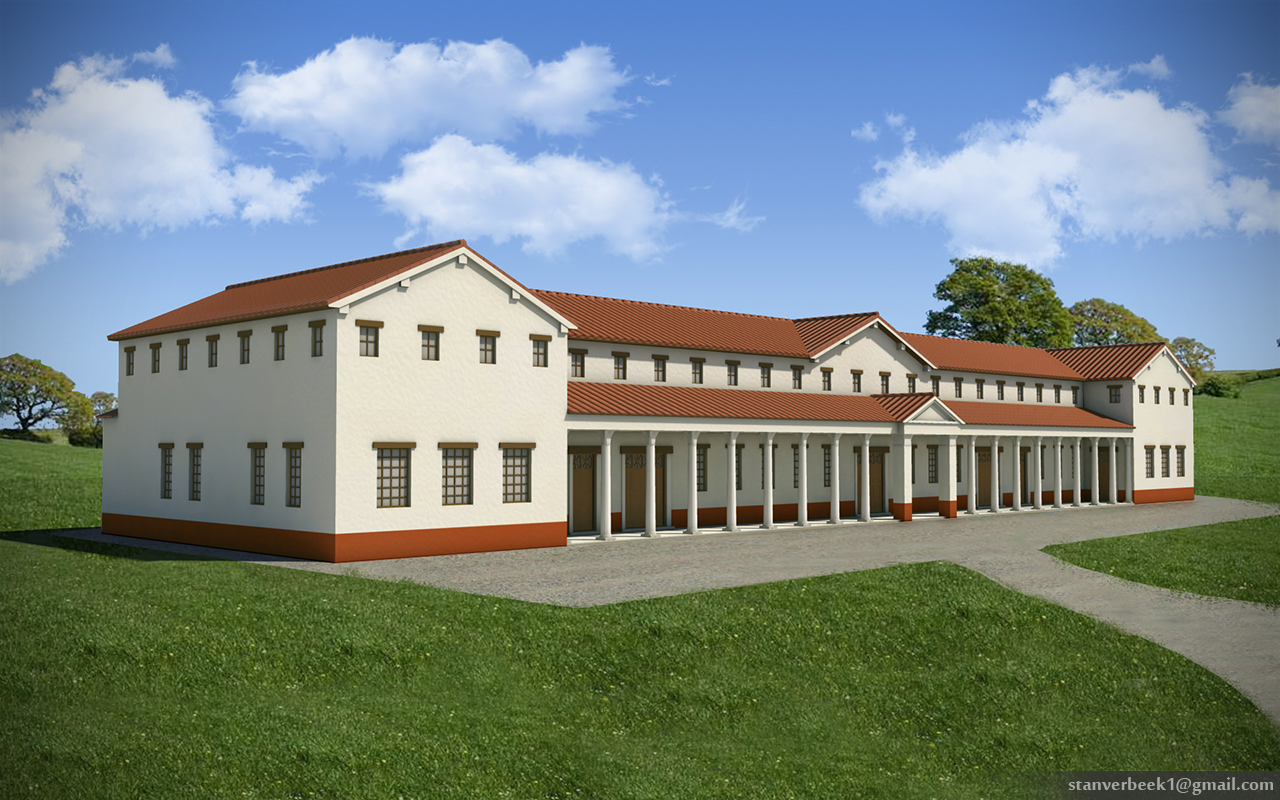
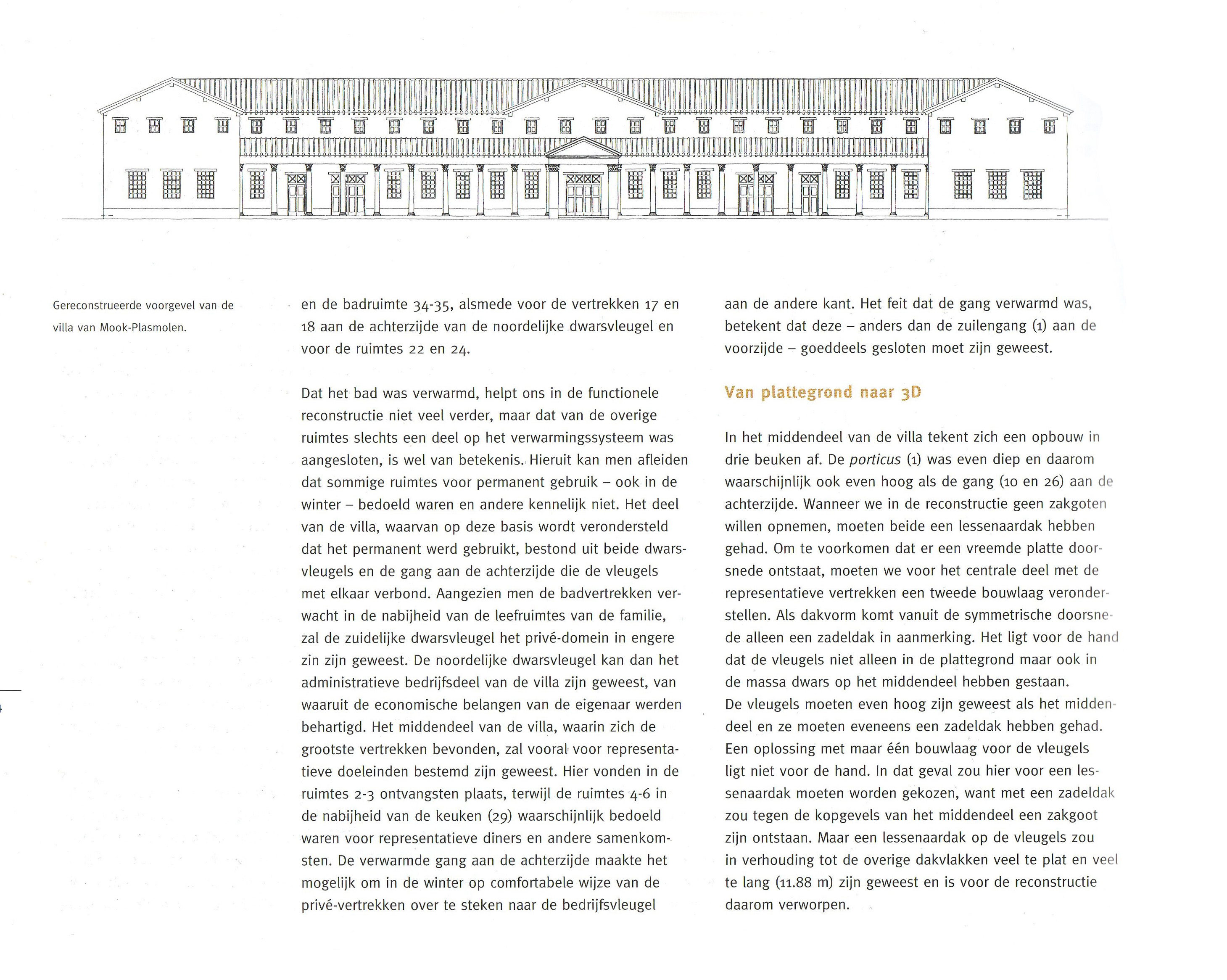
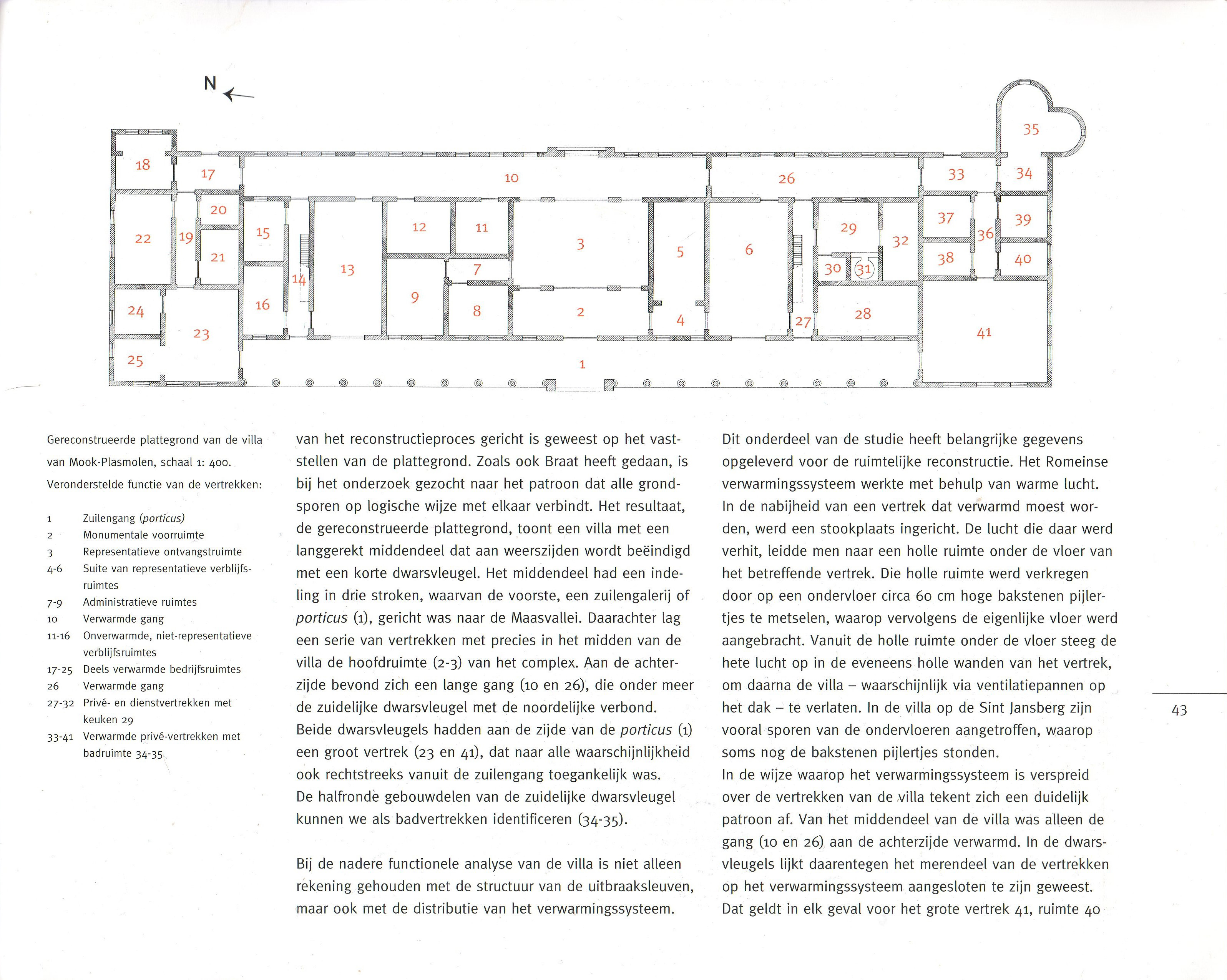
The reconstruction is based on the publication: ‘Romeins Nijmegen boven het maaiveld’. Which describes the results of the excavation of the 125+ A.D. Roman Villa Urbana in Plasmolen.
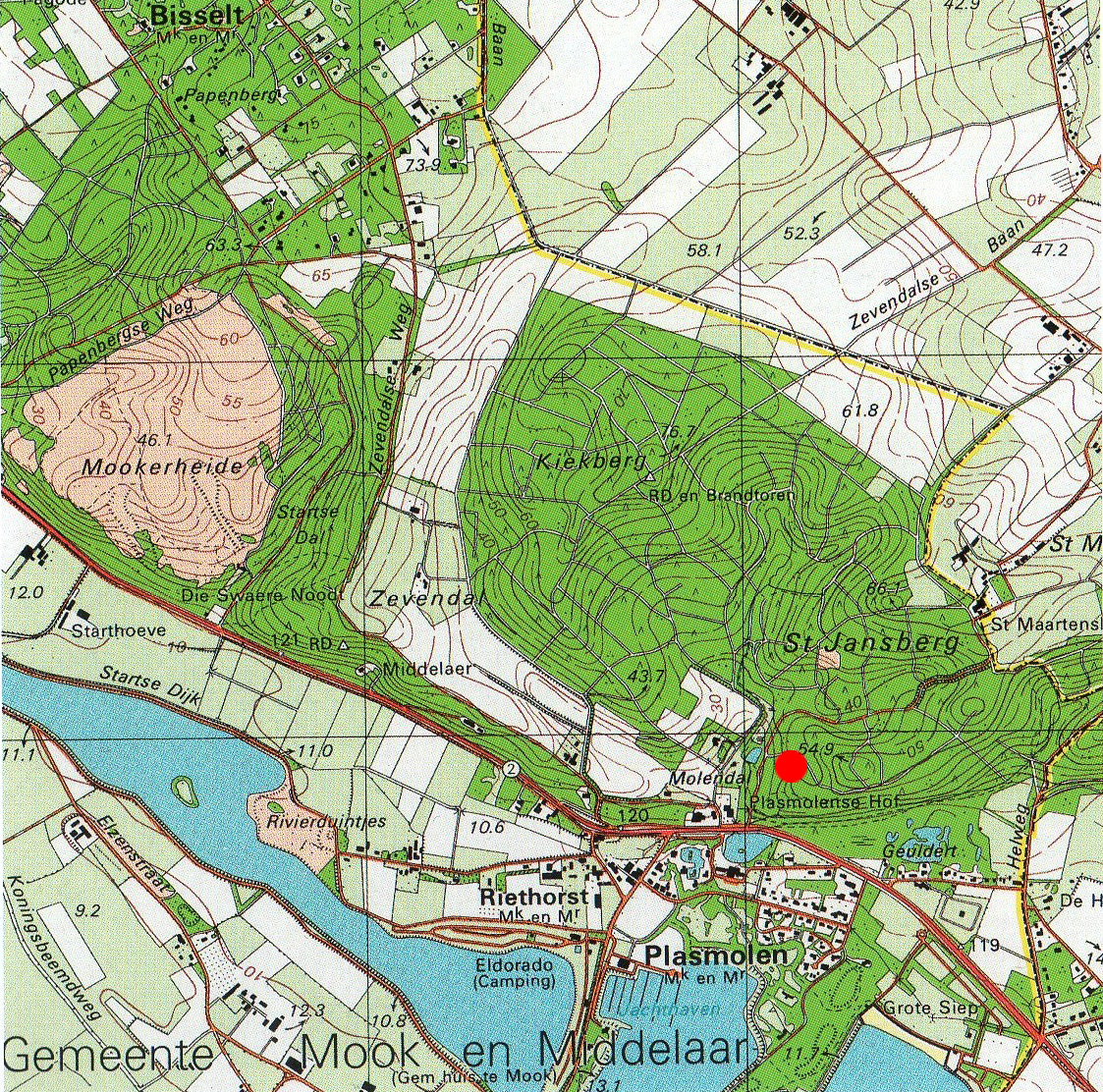
The location of the excavation site in Plasmolen (latest excavation in 1999).
The top-view floorplan of the Villa as well as the other drawings were created by archaeologists at the Cultural Heritage Agency of the Netherlands after the excavation in 1999. Based on these floor plans, the rooms were modeled.
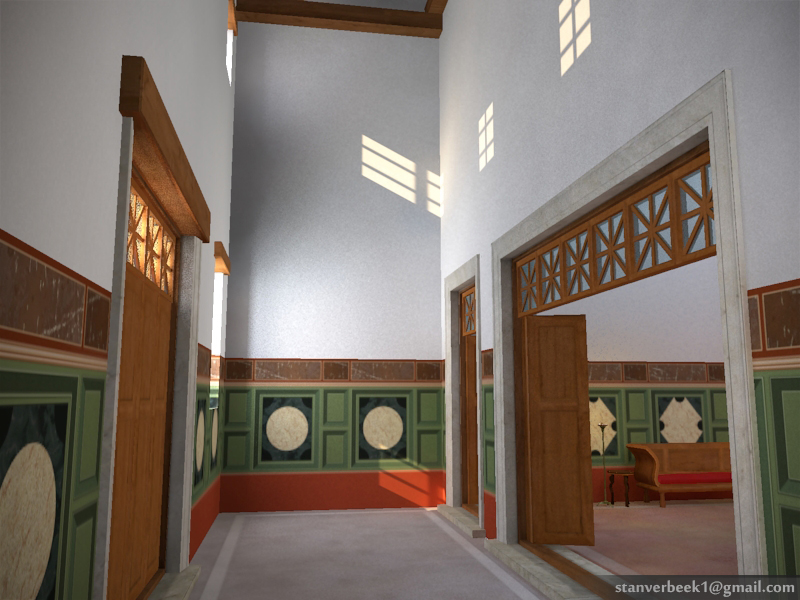
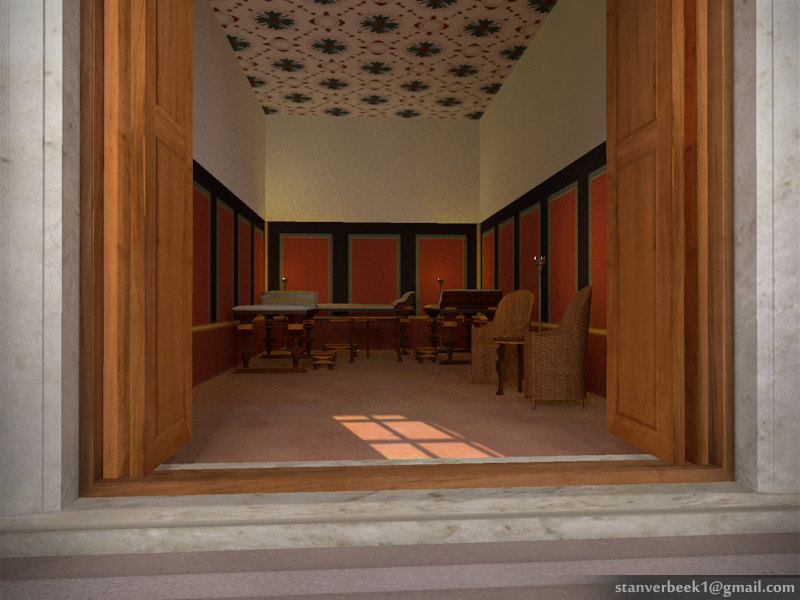
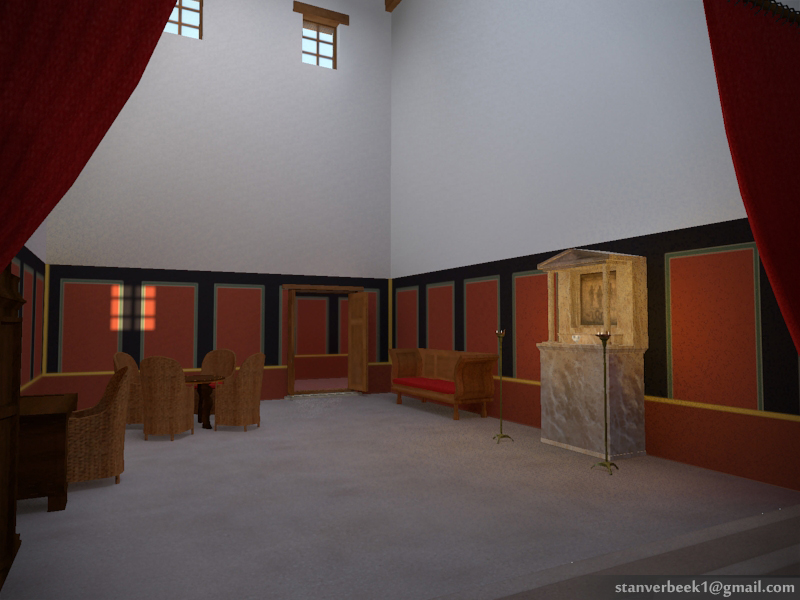
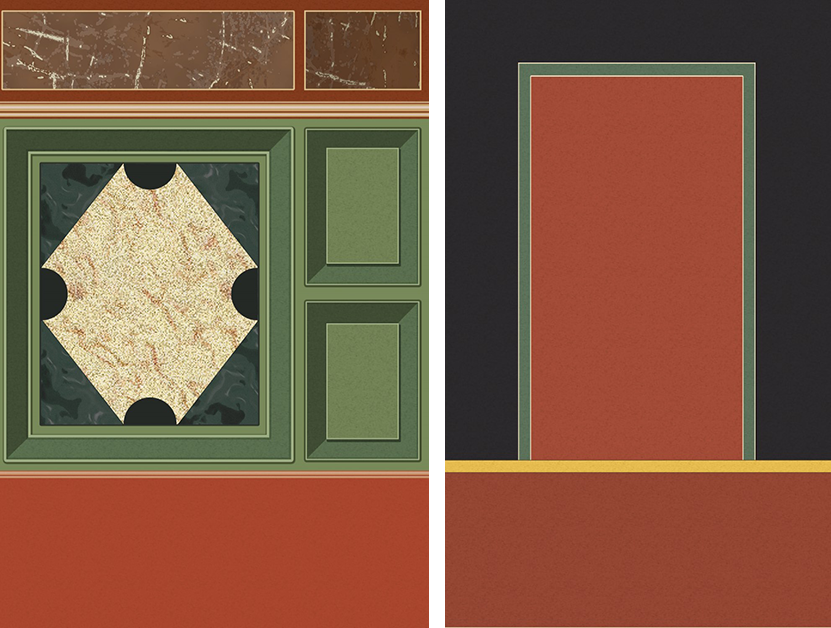
In order to create responsible murals and avoid mistakes made by my predecessors I contacted archaeologist and local Roman mural expert Lara Laken. I combined my artistic skills with her knowledge to come to responsible mural designs that match those found in Roman villa’s in this area.
Several museum objects had to be digitized and placed in the virtual environment. However, because of some object materials, they could not all be 3D scanned. As a result, objects had to be hand-modeled by using precise observation and measuring of the real life object. The silver Skyphos below is an example of such objects. A photo of the object can be viewed on the top left. The reflections were painted in the texture.
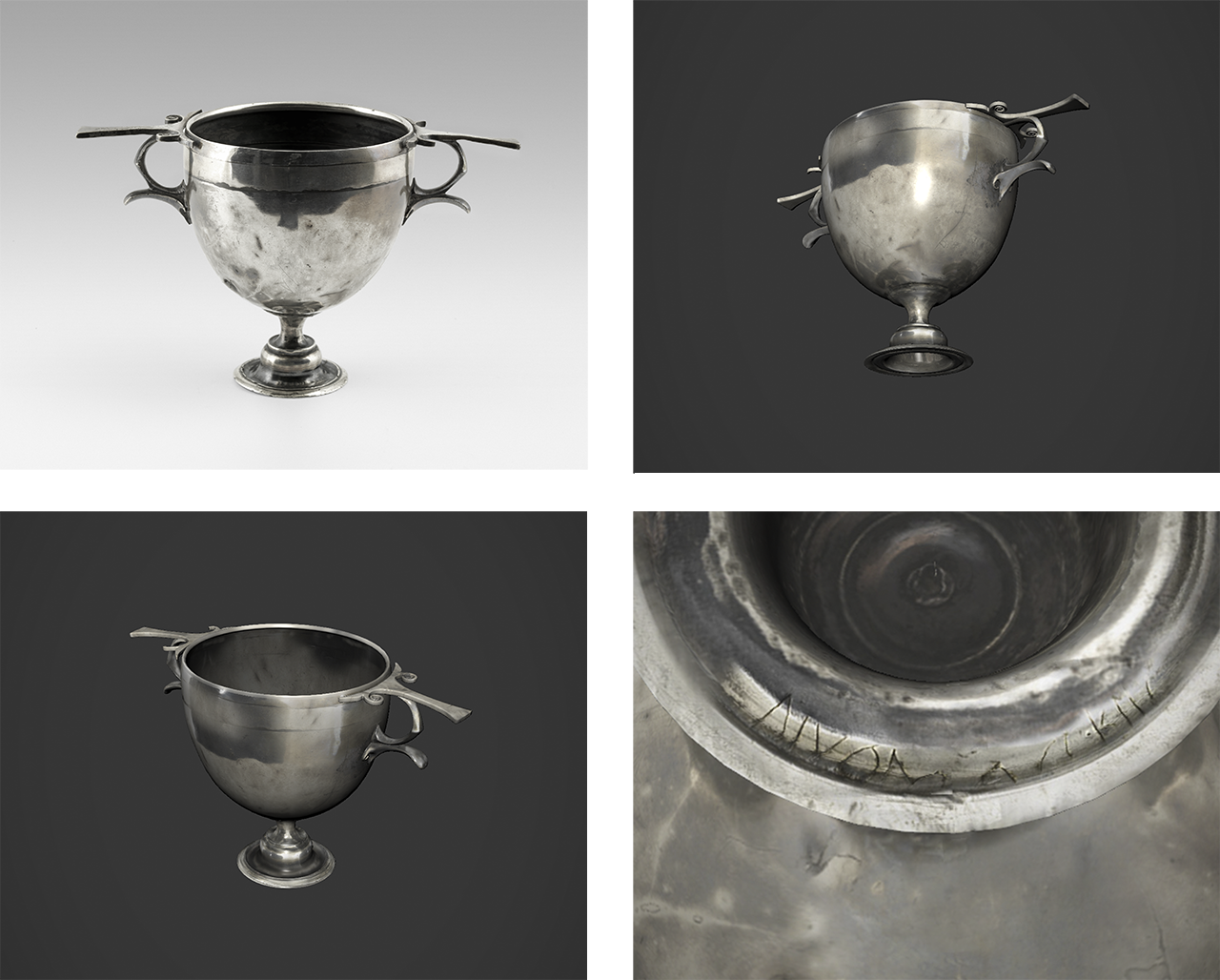
This particular silver Skyphos features a unique inscription on the bottom of the foot. The inscription reads ΔΙVΟΜΑIIKΙΙC, a Majuskel cursive writing and abbreviation for DIVOMACCFEC, or Divo Macc(ius or arius) fec(it). Maccius a silversmith was the creator of this skyphos and created this for a ‘god’, moreover a deified Emperor which could have been Julius Caesar or Augustus for whom this would have been an appropriate goblet to drink from, or to be used as gift only. A fresco from Pompeii displays the Skyphos as part of a set of silverware.

Domus Karanis
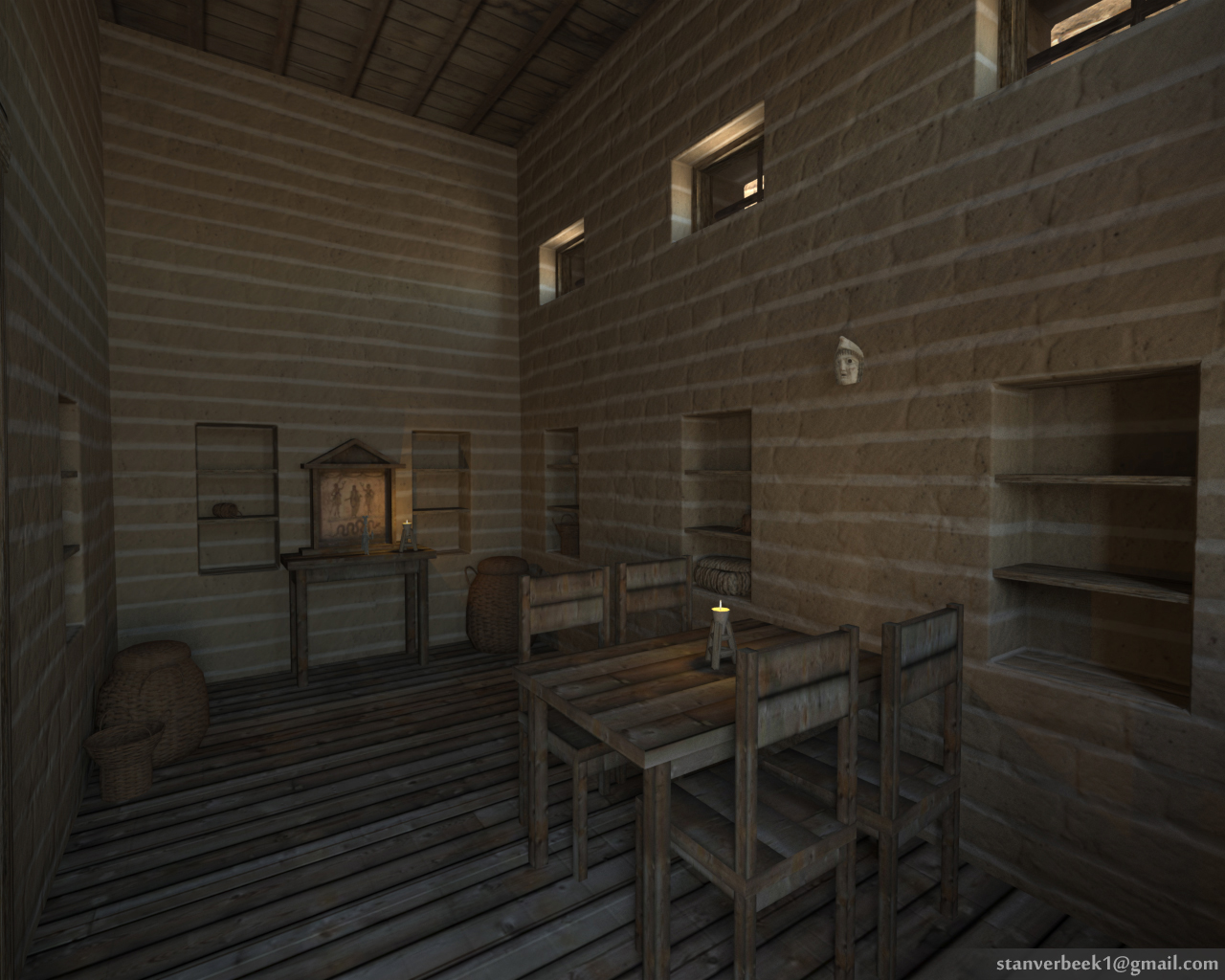
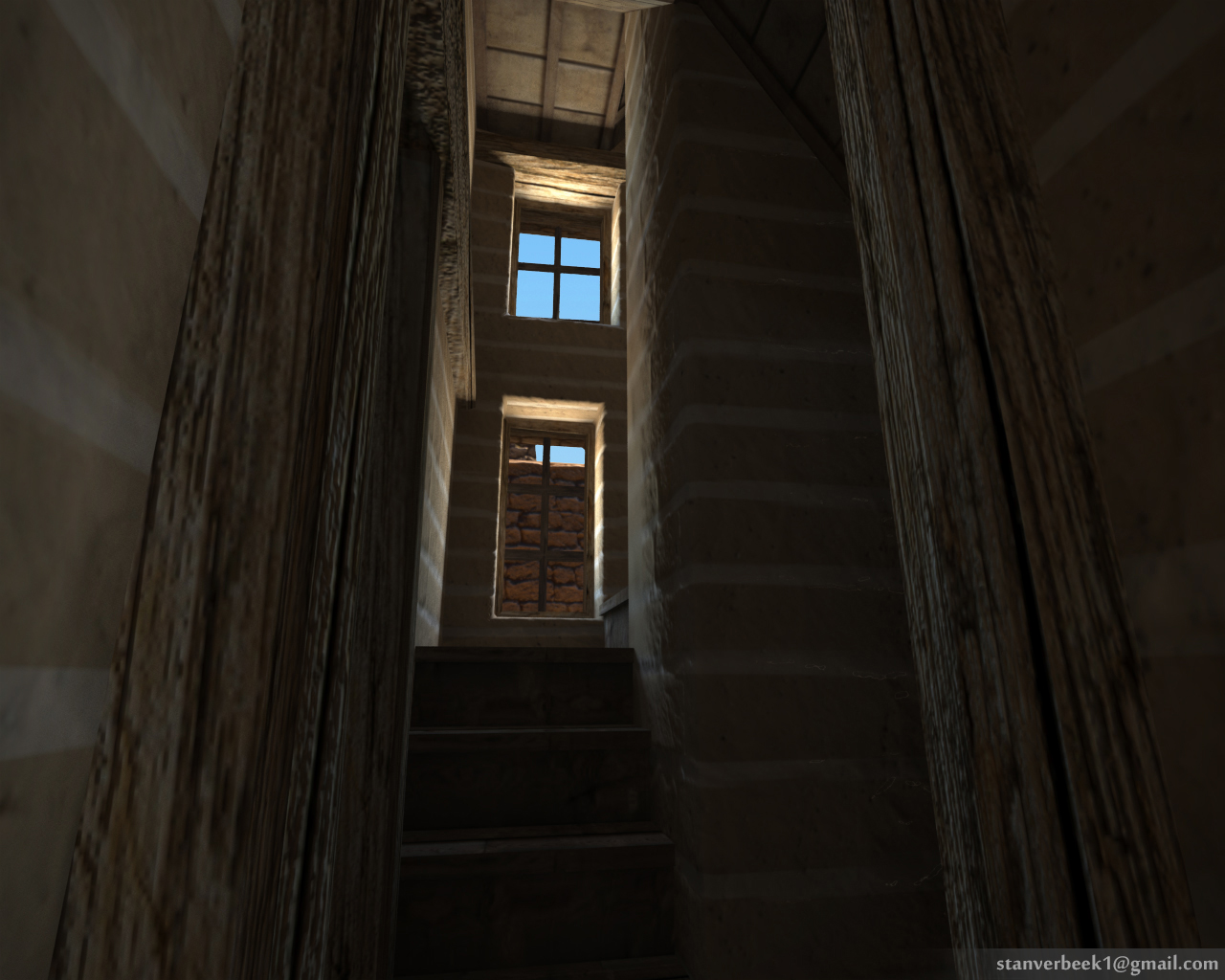
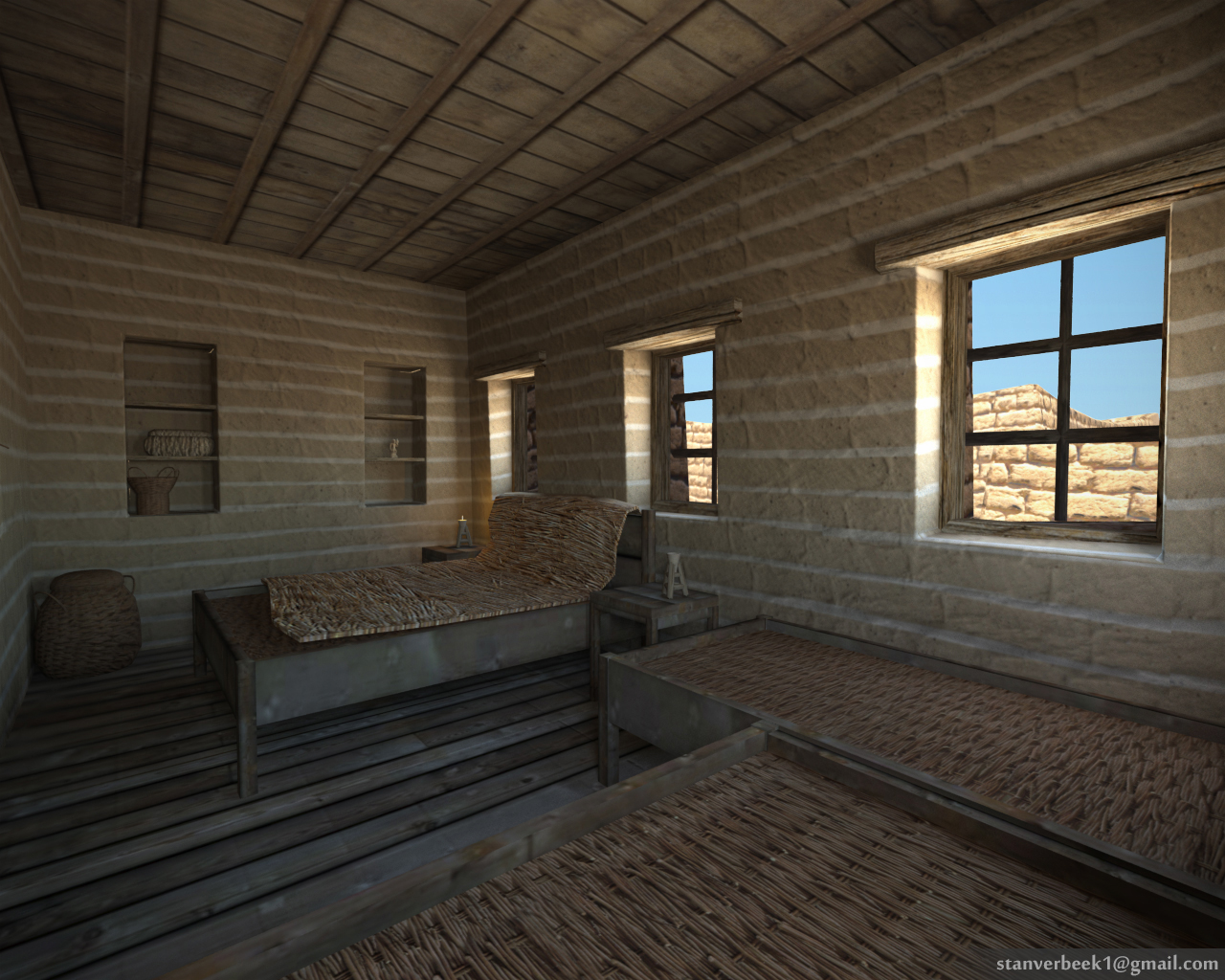
Virtual reconstruction of a mudbrick house in the Roman-Egyptian city of Karanis. This reconstruction was created for the Keys2Rome Exhibition in the Allard Pierson Museum in Amsterdam.
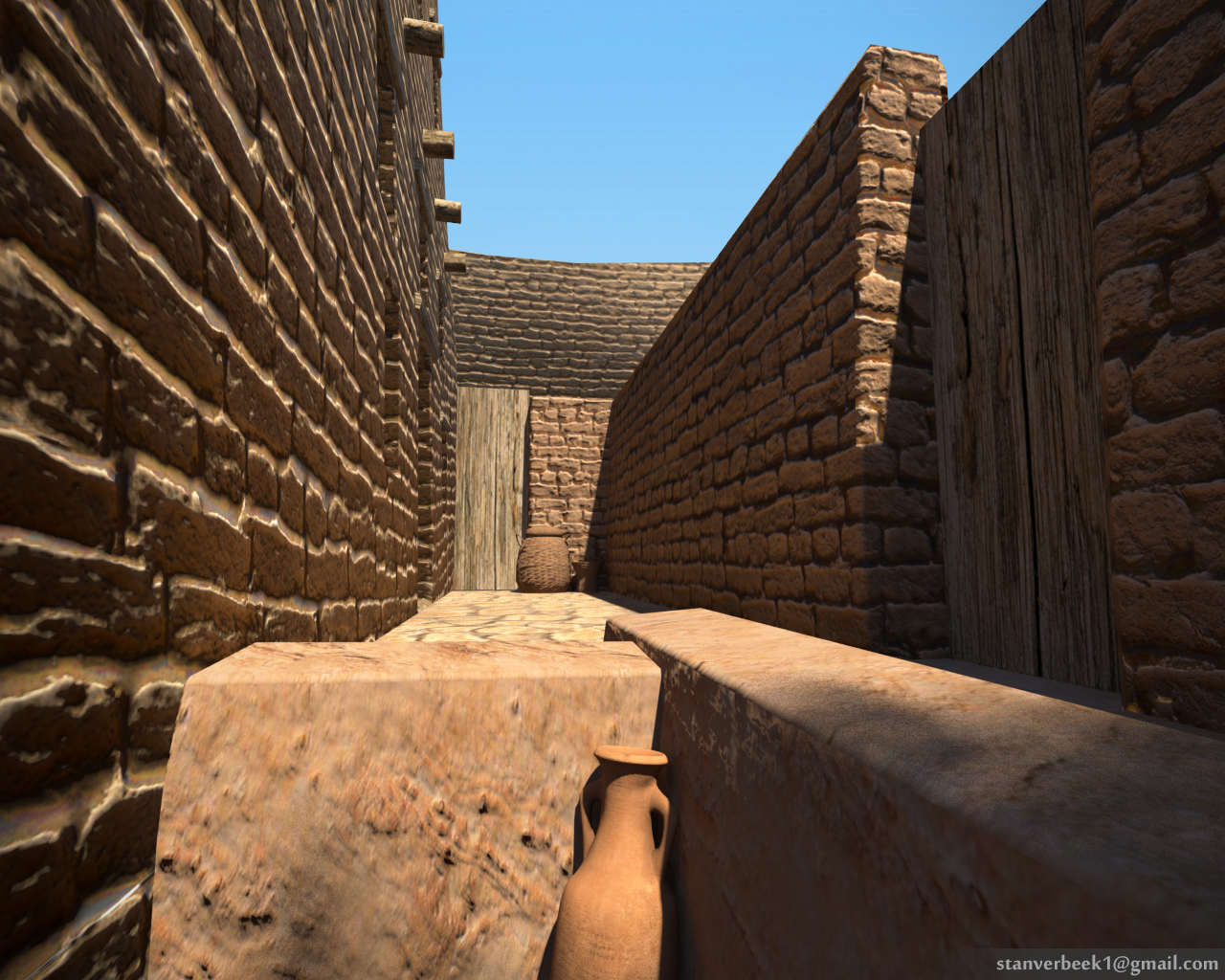
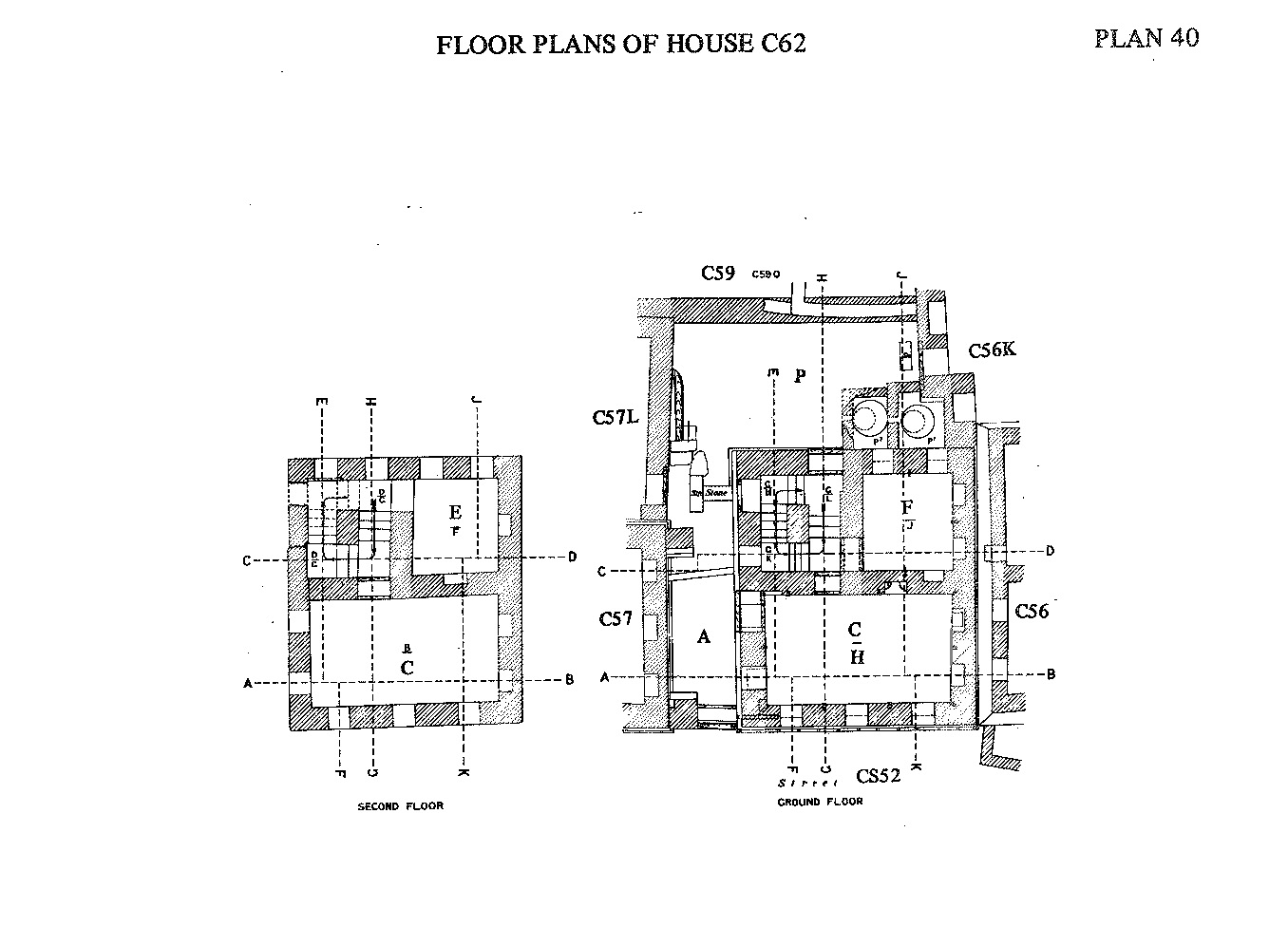
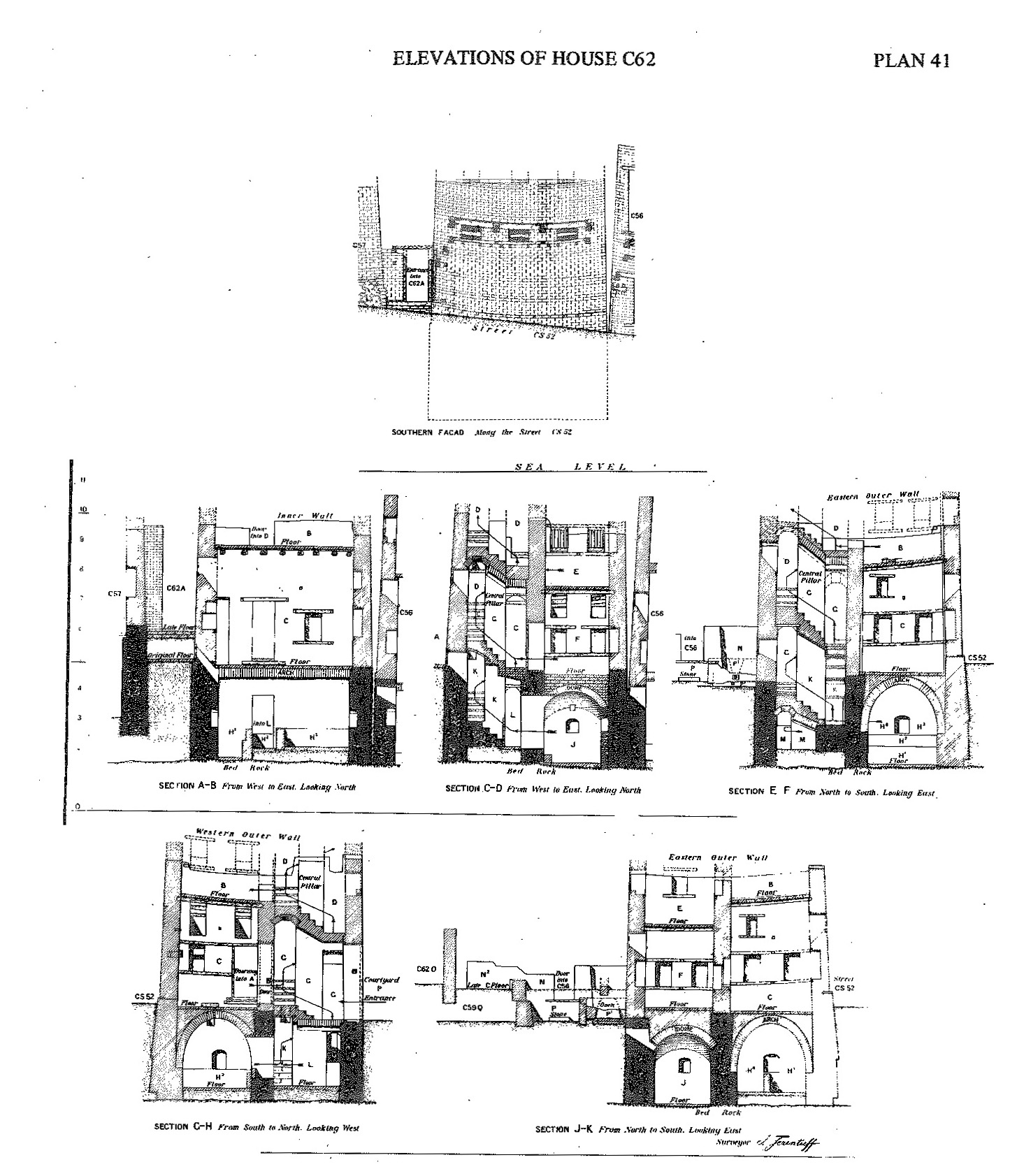
The reconstruction is based on publications by the University of Michigan.
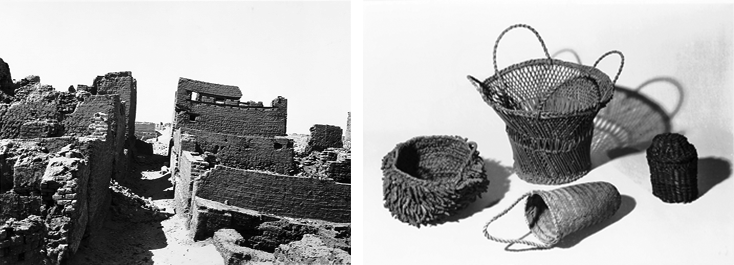
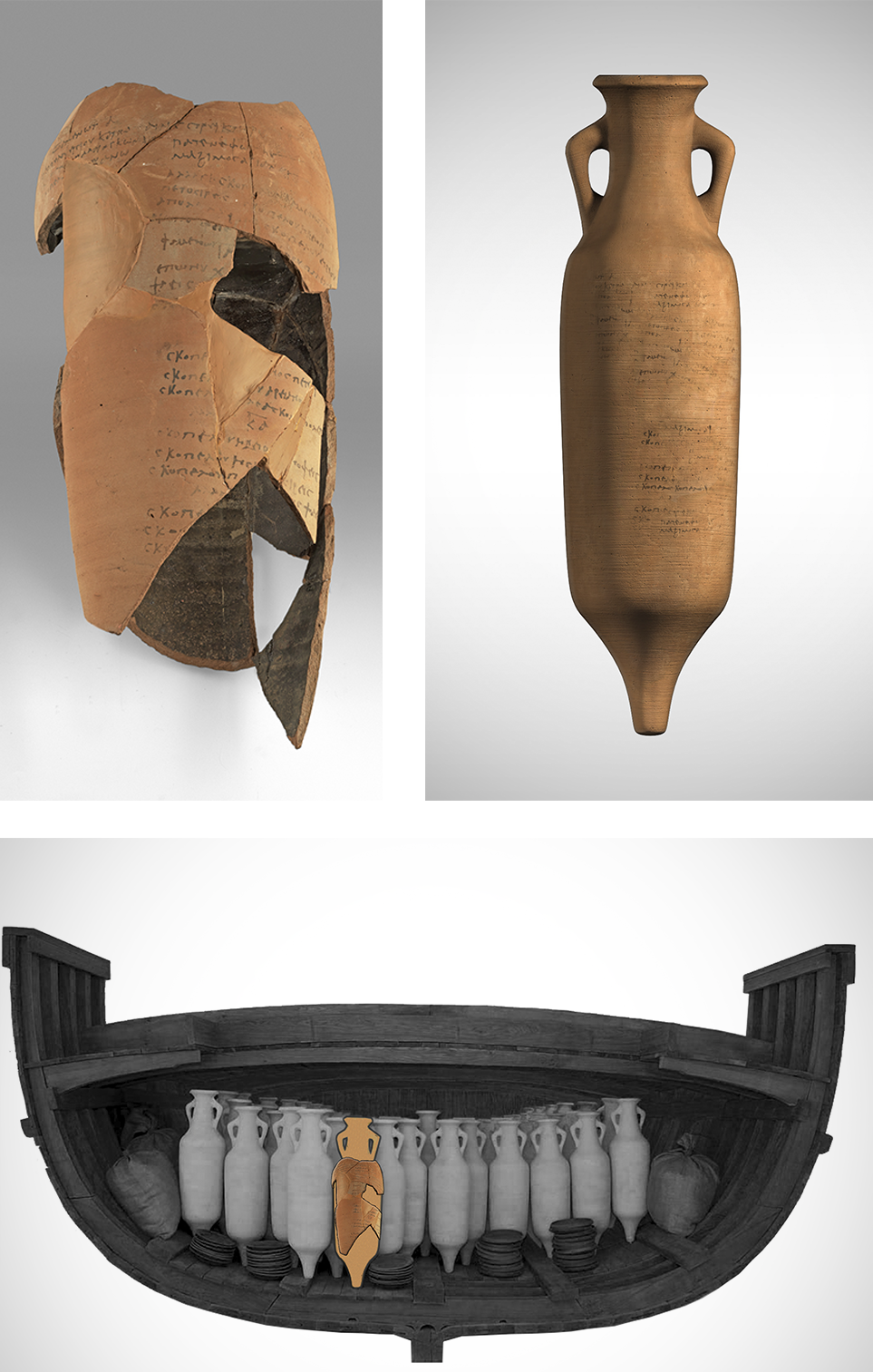
A Jug made of earthwork was to be placed in the Domus Karanis environment. The particular object however was in shards. The Allard Pierson managed to collect several shards of the same Pithos water/wine jug from different dealers and institutes. I worked with reference provided by an archaeologist co-worker to create a responsible reconstruction of the whole Pithos that also includes the written text found on the shards. The text is a duty-roster of soldiers at the military outpost this Pithos belonged to, so it was used as a pin-board at some point.
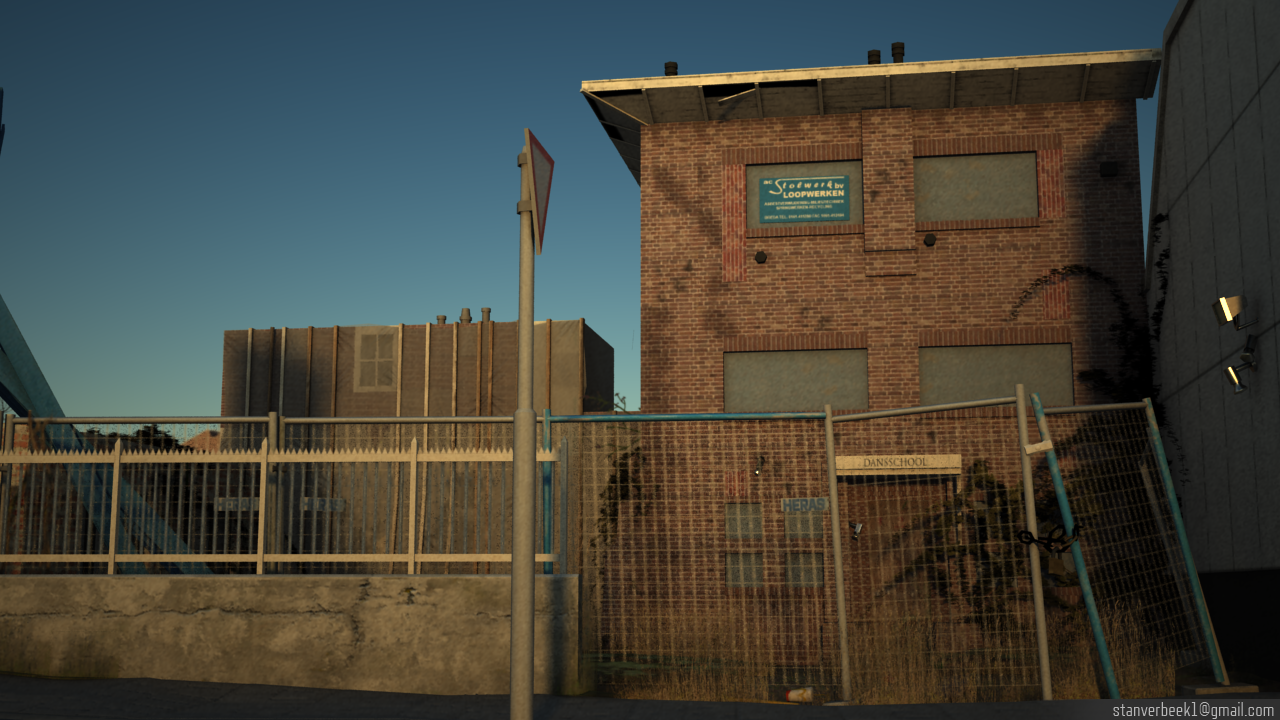
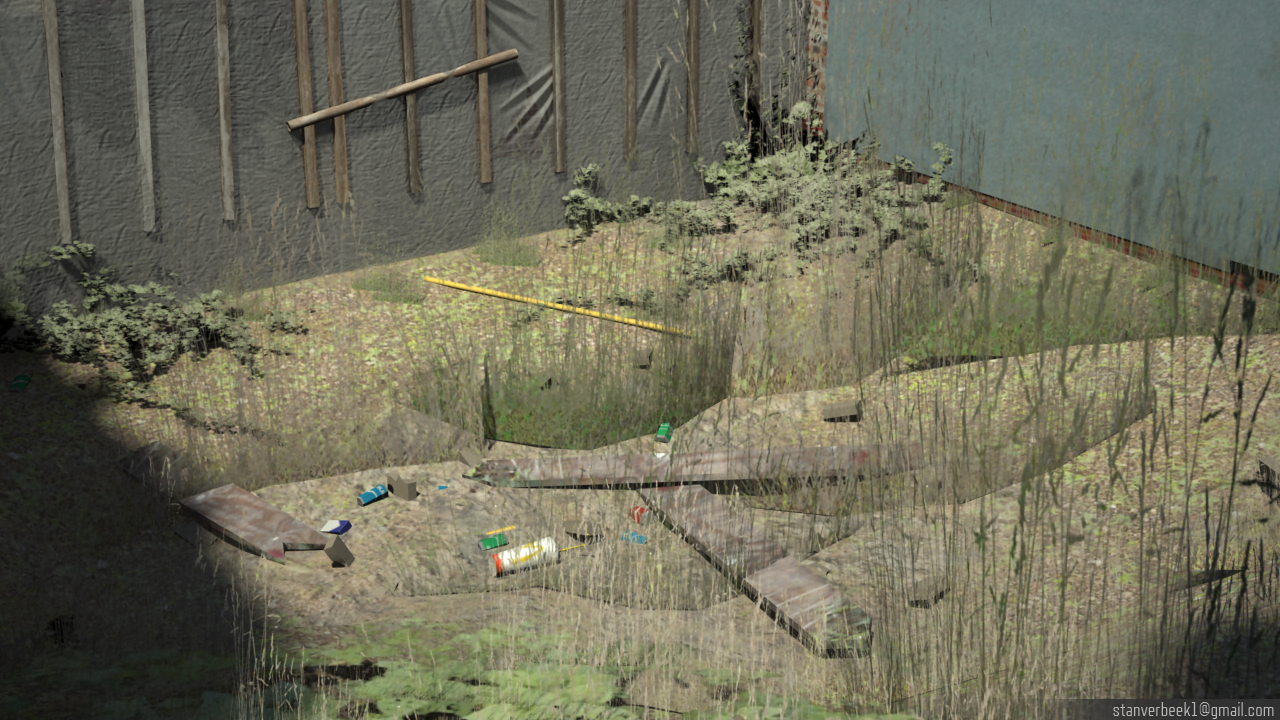
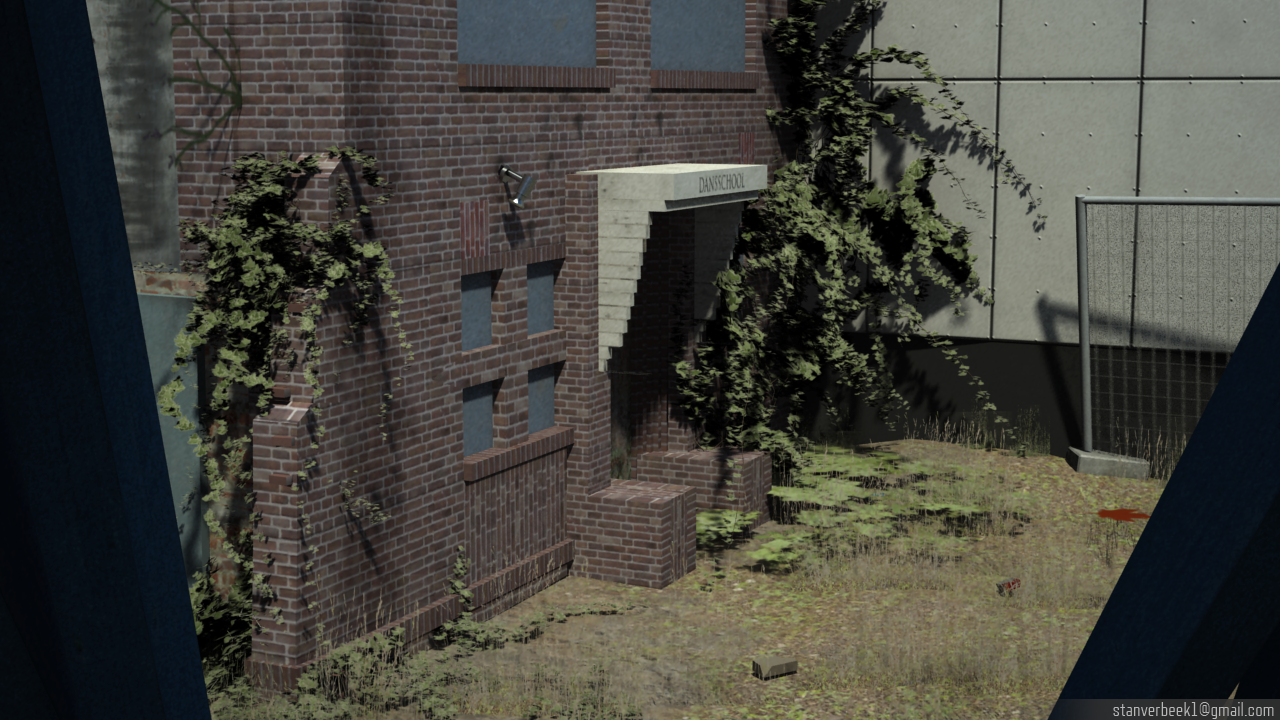
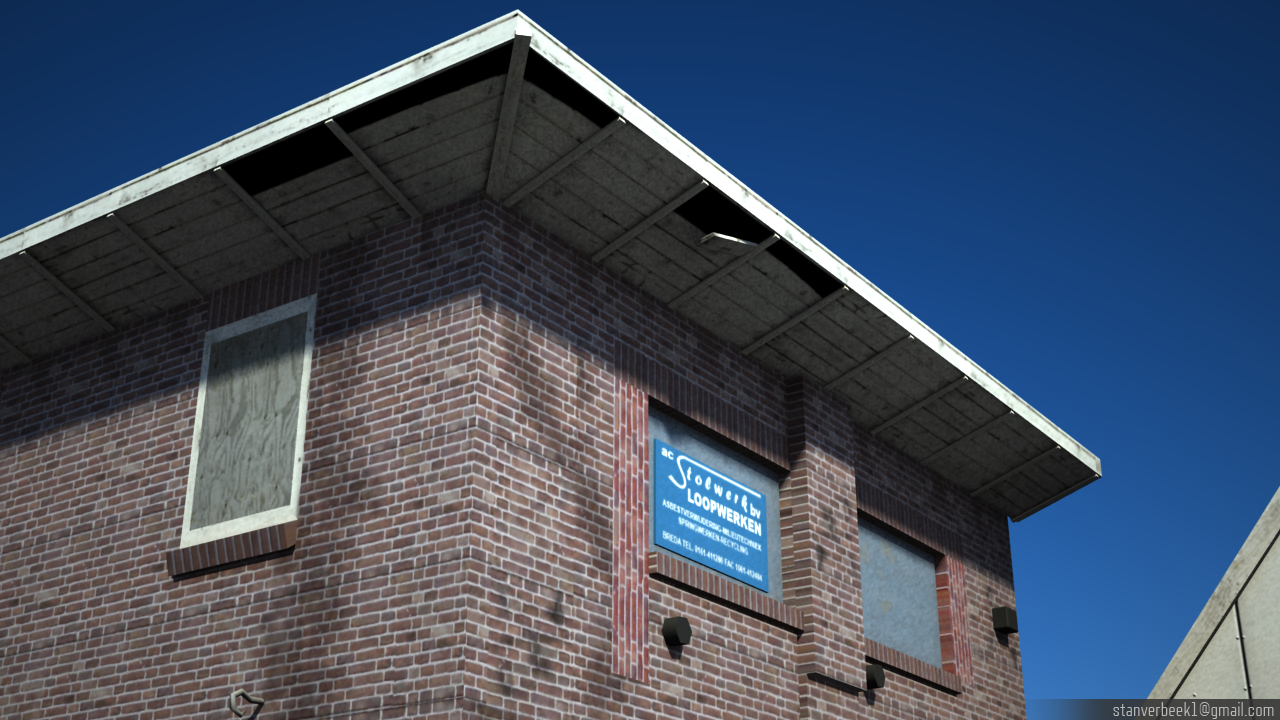
Decommissioned Building
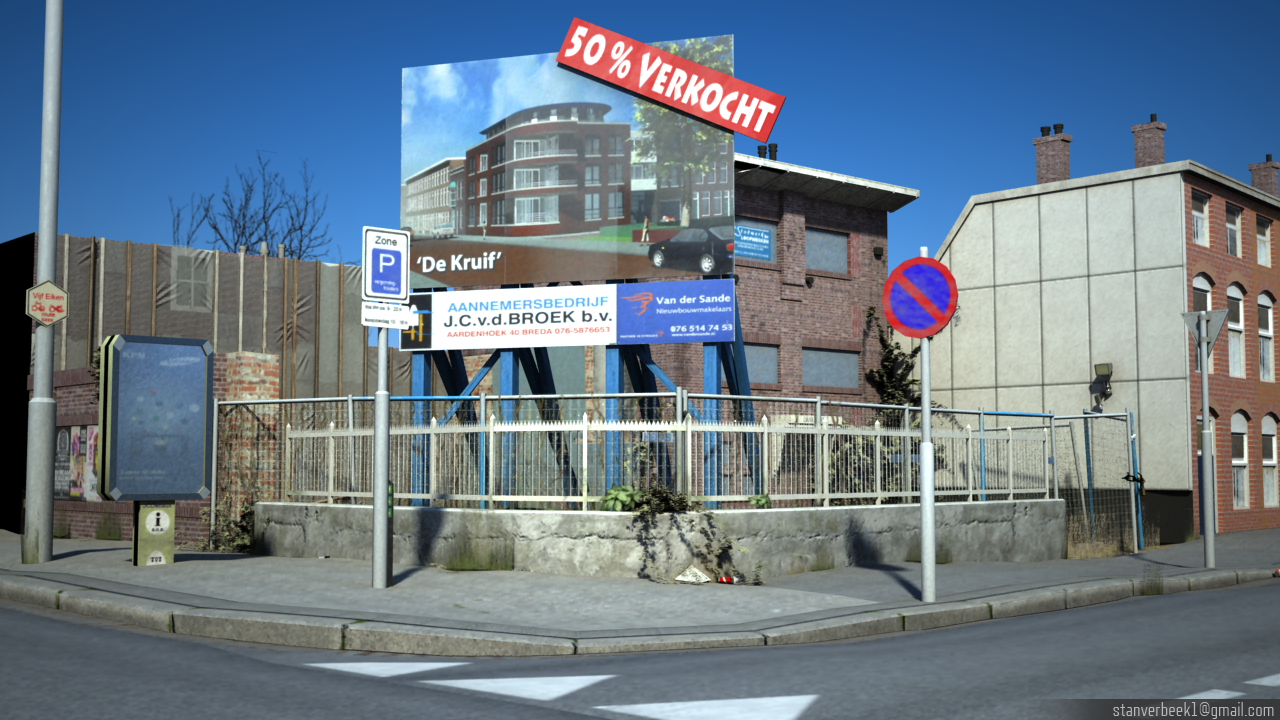
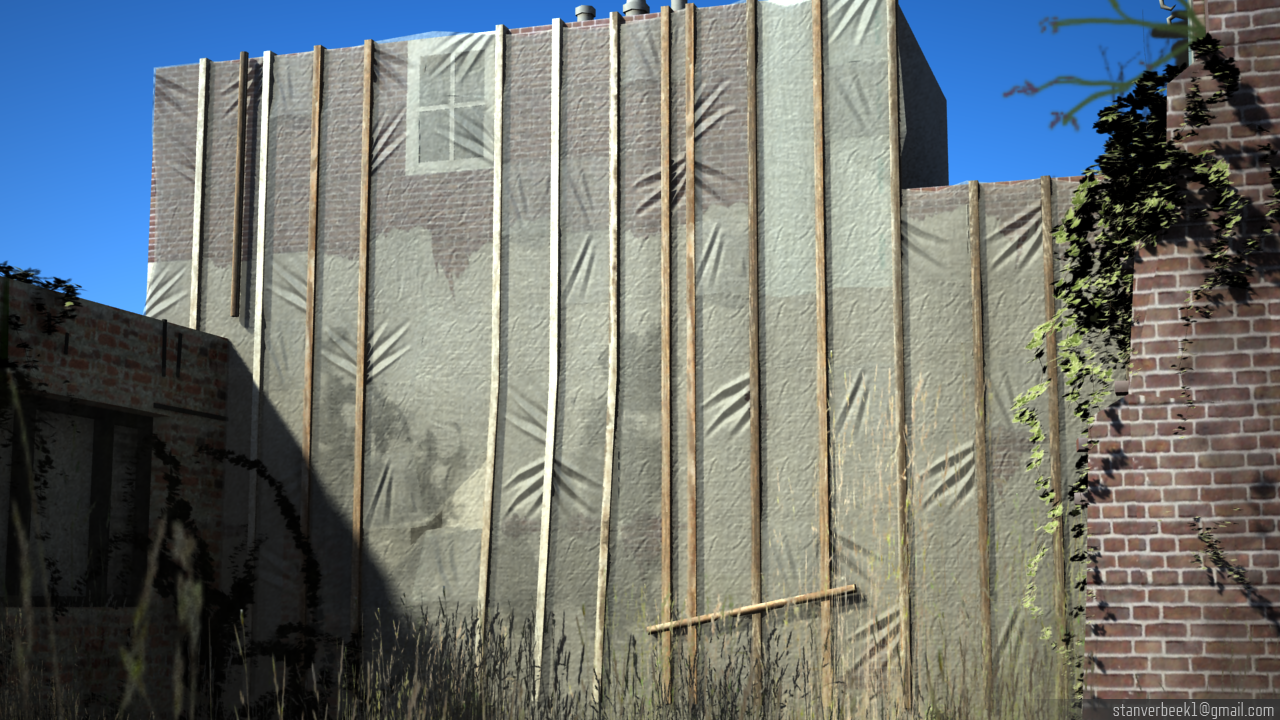
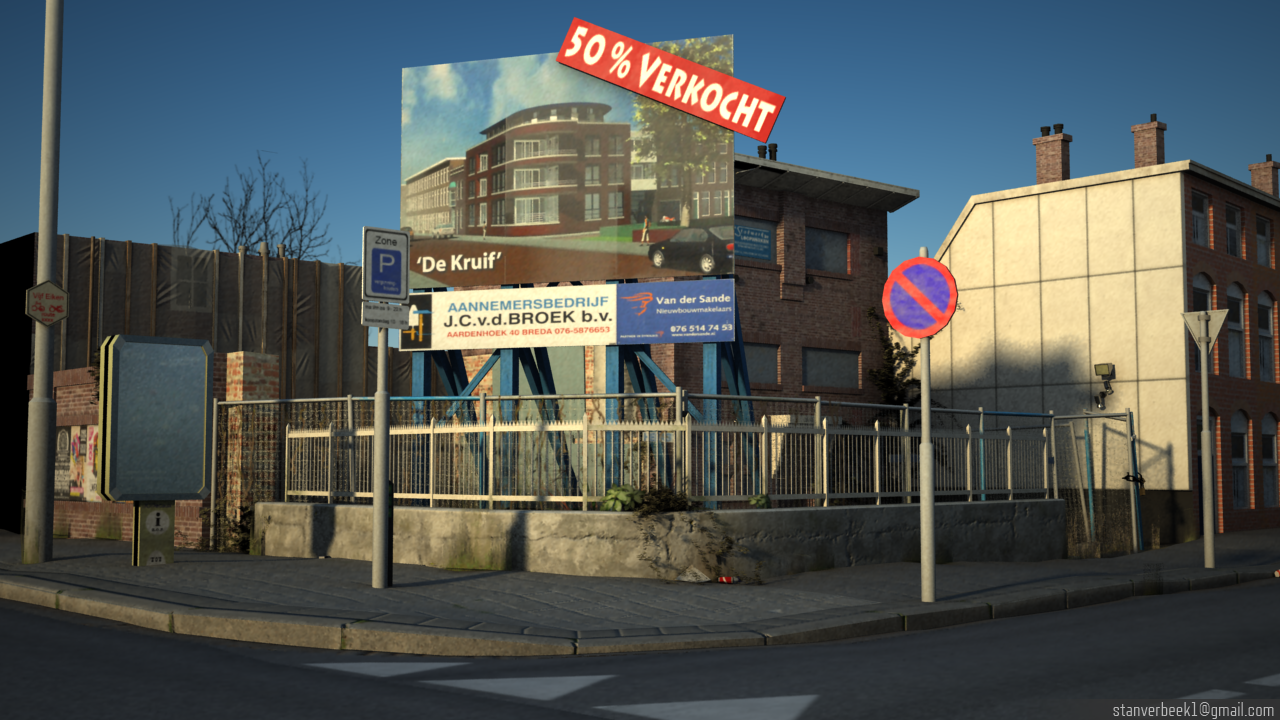
3D replica of a decommissioned building at a streetcorner in Breda.
Rendered using Vray. UV’s, textures, materials, lighting and rendering was done by me.
Geometry partly by Frederik Plucinski.

 Vodal
Vodal 